A new policy shift under President Trump sparks renewed dialogue on the Russia-Ukraine conflict, challenging the status quo.
Story Overview
- Trump reaffirms commitment to a Russia-Ukraine peace deal.
- U.S. policy shifts toward skepticism about Ukraine’s NATO membership.
- Continued violence in Ukraine complicates peace efforts.
- European leaders offer security guarantees upon peace deal signing.
Trump’s Diplomatic Engagement in Russia-Ukraine Conflict
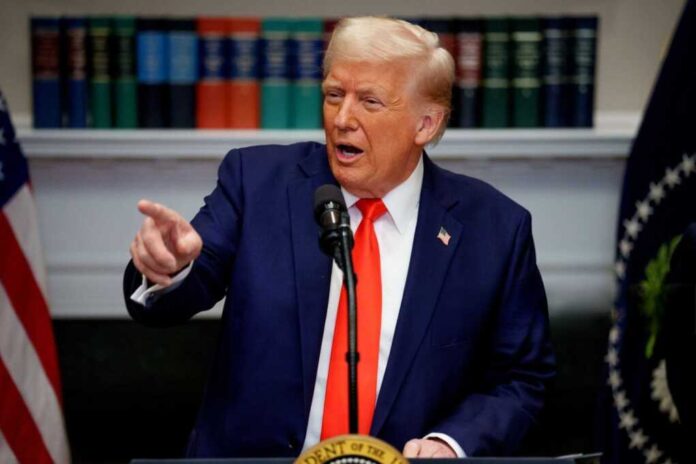
President Donald Trump has taken a proactive stance in seeking a peace agreement between Russia and Ukraine, despite the absence of direct talks between Russian President Vladimir Putin and Ukrainian President Volodymyr Zelenskyy. Trump’s strategy emphasizes direct communication with both leaders, aiming to broker a resolution that remains elusive but possible. This approach signifies a marked shift from previous U.S. administrations, emphasizing diplomacy over military intervention.
READ NOW: CBS News: Trump Commits to Pursuing Russia-Ukraine Peace — President Donald Trump said he remains committed to pursuing a peace agreement between Russia and Ukraine despite uncertainty over the prospect of face-to-face talks between…https://t.co/5tVOL6mkyz
— Top News by CPAC (@TopNewsbyCPAC) September 4, 2025
Policy Shifts and International Responses
Under Trump’s administration, there has been a notable policy shift regarding Ukraine’s potential NATO membership. U.S. Defense Secretary Pete Hegseth outlined a position of skepticism about Ukraine regaining its pre-2014 borders and joining NATO, reflecting a broader emphasis on European responsibility in resolving the conflict. This stance aligns with Trump’s broader foreign policy goals of reducing U.S. military commitments overseas while promoting diplomatic solutions.
European leaders, including French President Emmanuel Macron, have expressed their readiness to offer security guarantees to Ukraine once a peace deal is signed. This reflects Europe’s strategic interest in stabilizing the region and preventing further escalation. However, the ongoing violence in Ukraine, marked by recent Russian attacks on Kyiv, continues to pose significant challenges to these diplomatic efforts.
Watch: Trump says ‘you’ll see things happen’ if unhappy with Putin’s response on Ukraine
Challenges and Prospects for Peace
The situation remains tense, with no scheduled face-to-face talks between Putin and Zelenskyy. Trump’s optimism, despite the lack of visible progress, underscores the complexities of navigating peace in a region fraught with historical grievances and geopolitical tensions. Trump has stated, “Something is going to happen,” reflecting his belief in eventual success, though acknowledging current barriers.
Continued violence in Ukraine, alongside diplomatic uncertainties, underscores the fragility of the peace process. European nations remain pivotal, balancing support for Ukraine with efforts to engage Russia diplomatically. Despite these challenges, the potential for a negotiated settlement remains a focal point of international diplomacy, with Trump’s personal engagement adding a unique dynamic to the ongoing efforts.
Sources:
Wikipedia: Peace negotiations in the Russian invasion of Ukraine