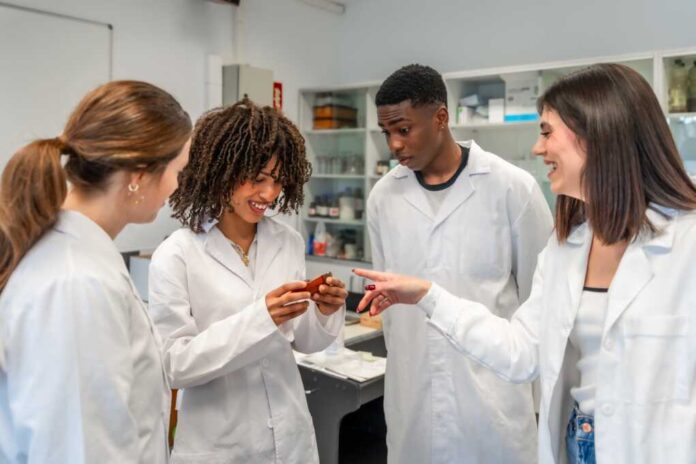
Nearly all women in STEM report feeling like impostors, raising significant concerns about the future of female representation in these critical fields. A study by Jiyun Elizabeth Shin from Binghamton University found that 97.5% of surveyed female STEM graduate students in the US experience imposter syndrome—a psychological phenomenon leading them to doubt their accomplishments and fear exposure as frauds. This issue, exacerbated by a lack of female role models and systemic biases, threatens the retention of diverse talent, linking directly to burnout and high dropout intentions. Addressing this pervasive mental health crisis requires targeted interventions that confront the root causes of underrepresentation and foster environments where women feel empowered to acknowledge their skills and successes.
Story Highlights
- 97.5% of surveyed female STEM grad students report imposter syndrome.
- Lack of female role models and representation exacerbates the issue.
- Interventions are needed to address mental health and retention.
- Current policies may not sufficiently support underrepresented groups.
Imposter Syndrome Pervasive Among Women in STEM
A study by Jiyun Elizabeth Shin from Binghamton University reveals that nearly all surveyed female STEM graduate students in the US experience imposter syndrome. This psychological phenomenon leads individuals to doubt their accomplishments and fear exposure as frauds. The findings indicate a significant mental health concern, with links to burnout and dropout intentions, thereby threatening the retention of women in STEM fields.
The prevalence of imposter syndrome among women in STEM is exacerbated by historical underrepresentation and stereotypes suggesting women lack innate abilities. With women holding only about 28% of STEM jobs worldwide, the lack of female role models and systemic biases contribute to this overwhelming sense of doubt. These conditions are worsened by lower pay and harassment, creating an environment where women struggle to see themselves as successful.
Nearly all women in STEM secretly feel like impostors
Nearly all women in STEM graduate programs report feeling like impostors, despite strong evidence of success. This mindset leads many to dismiss their achievements as luck and fear being “found out.” Research links…
— The Something Guy 🇿🇦 (@thesomethingguy) January 6, 2026
Impact on Mental Health and Career Progression
The psychological impact of imposter syndrome is profound, leading to mental health decline and high dropout rates. Women in STEM fields often attribute their successes to luck rather than skill, which can lead to decreased participation in class and reluctance to apply for advanced positions or opportunities. This self-doubt and lack of confidence hinder career progression and widen the gender gap in STEM leadership roles.
Despite the clear need for systemic change, many current interventions, such as confidence workshops, fall short. They rarely address the root causes, such as underrepresentation and rapid technological changes, which have only been amplified by the pandemic and social media pressures.
Calls for Targeted Interventions
Specialists like Shin advocate for targeted interventions that promote a growth mindset and provide social support for women in STEM. By fostering environments where women feel empowered to acknowledge their skills and successes, these interventions aim to reduce feelings of fraudulence and increase persistence in these critical fields. Such efforts are essential to prevent the loss of diverse talent and innovation due to dropout and mental health challenges.
As we move forward, it is crucial for universities and organizations to prioritize diversity initiatives that support underrepresented groups, ensuring that women in STEM have the resources and support needed to thrive. Without these changes, the potential for innovation and economic growth could be significantly hindered.
Sources:
- Most Female STEM Graduate Students Experience Imposter Syndrome
- History and Impact of Imposter Syndrome in STEM
- Increasing Number of STEM Students Experiencing Imposter Syndrome