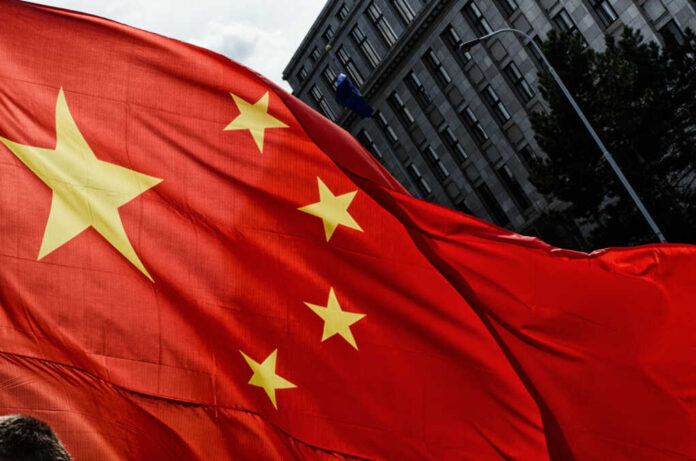
French military and intelligence sources claim that China has orchestrated a covert campaign—using diplomatic channels and digital tactics—to reduce international sales of France’s Rafale fighter jet after combat losses in May.
At a Glance
- France accuses Chinese embassy defense attaches of spreading doubts about Rafale performance following India-Pakistan aerial skirmishes.
- The campaign reportedly includes viral social-media posts, AI-generated images, video-game simulations, and diplomatic lobbying.
- Indonesia and other Rafale buyers are being specifically targeted.
- China denies involvement, calling the allegations “groundless rumors.”
- Analysts warn this reflects a new era of state-backed disinformation in global arms competition.
Diplomacy Meets Disinformation
French intelligence reports that Chinese diplomats used embassy channels to pressure defense officials, urging reconsideration of Rafale acquisitions in favor of Chinese platforms. The effort coincided with a disinformation surge involving fake visuals, combat simulations, and doctored AI-generated images portraying Rafale performance failures, as reported by Al Jazeera and Associated Press.
French Air Force chief General Jérôme Bellanger confirmed one Rafale was lost during May’s India-Pakistan conflict, a loss amplified online with speculation of multiple downings—many promoted through anonymous pro-China social media accounts, according to AP.
Watch a report: China Pushed misinformation against Indian Rafale | French Intel Report
Strategic Impact in Defense Markets
Dassault’s Rafale, already sold to India, Egypt, Greece, UAE, and Indonesia, represents a pillar of France’s defense export strategy. With 533 aircraft produced—323 for foreign buyers—any dip in global perception could ripple through multiple contracts, as outlined in Al Jazeera’s coverage.
Analysts at the Royal United Services Institute argue China’s disinformation strategy is tailored to destabilize Western-aligned defense partnerships and amplify the appeal of its own fighters in the Indo-Pacific. Jakarta, currently considering further Rafale purchases, is viewed as a priority target.
Digital Warfare and Geopolitical Flashpoints
The campaign illustrates how diplomatic pressure and digital manipulation now fuse into a modern hybrid arsenal. From fake simulator videos to miscaptioned footage, the techniques used blur lines between traditional espionage and viral warfare.
France has begun deploying countermeasures, including direct outreach to defense partners and investigations into embassy-linked influence operations. China, meanwhile, continues to deny any formal involvement in the alleged actions, branding them as Western “fantasies.”
As global arms deals shift toward influence-driven metrics, the future of fighter jet sales may rest less on specifications—and more on which nation controls the narrative.