President Trump’s latest executive order on ballot counting has sparked a fierce battle with 19 states defying efforts to impose strict deadlines on counting late-arriving mail-in ballots.
At a Glance
- President Trump signed an executive order targeting the practice of counting mail-in ballots received after Election Day.
- The order faces legal challenges from 19 Democrat-led states claiming the president is exceeding his authority.
- Republicans argue uniform deadlines are crucial to ensure election integrity and restore public trust.
- States such as California, which permit ballots to be counted up to a week after Election Day, are central to the dispute.
The Battle Over Ballot Deadlines
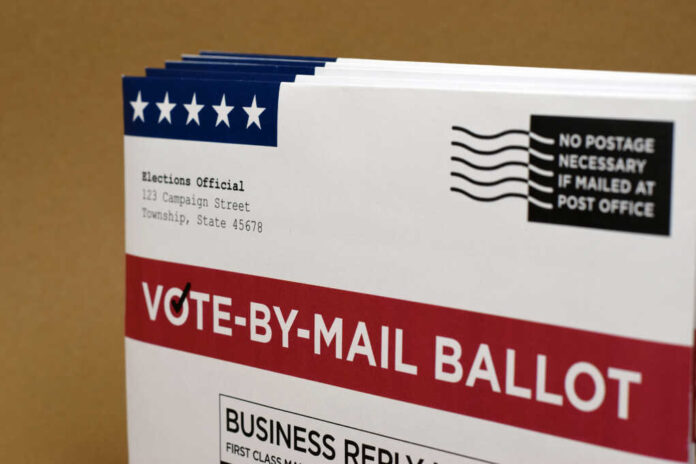
The Trump administration has zeroed in on what conservatives identify as a major source of election chaos and distrust: extended counting of mail-in ballots arriving days after polls close. The executive order directly challenges the 18 states that allow late-arriving ballots to factor into official results, aiming to standardize election procedures and end prolonged counting processes blamed for public skepticism.
This move reflects a broader Republican push to end the drawn-out tallying that fuels conspiracy theories and erodes confidence in election outcomes (Chicago Tribune, YouTube report).
States Push Back Against Federal Overreach
The response has been immediate and fierce. Nineteen Democrat-led states have filed lawsuits asserting the president lacks constitutional power to dictate state election rules. Oregon’s former Democratic House Speaker Barbara Smith Warner told NPR, “The president has no ability to tell the states how to run their elections.”
Defenders of late ballot counting, like Washington state official Stuart Holmes, point to historical precedent—Washington has allowed late ballots since 1917 to address postal delays. Critics counter that in today’s era of mass mail-in voting, inconsistent deadlines breed confusion and erode trust.
The California Problem
California stands at the heart of the controversy. Under state law, ballots postmarked by Election Day can be accepted up to seven days later, with election officials given 30 days to count and certify results (FactCheck.org). This lengthy counting window means results of tight races can remain unknown for weeks, fueling conspiracy theories and public doubt.
Even California lawmakers are pushing reforms to shorten the process, proposing that most ballots be counted within 13 days (YouTube shorts). Meanwhile, legal challenges to Trump’s order are moving through the courts, setting the stage for a major constitutional battle over election law and integrity.
As Georgia’s Republican Secretary of State Brad Raffensperger put it, “Follow the law. Accept election results or lose your country.” The pivotal question remains: what should the law be?