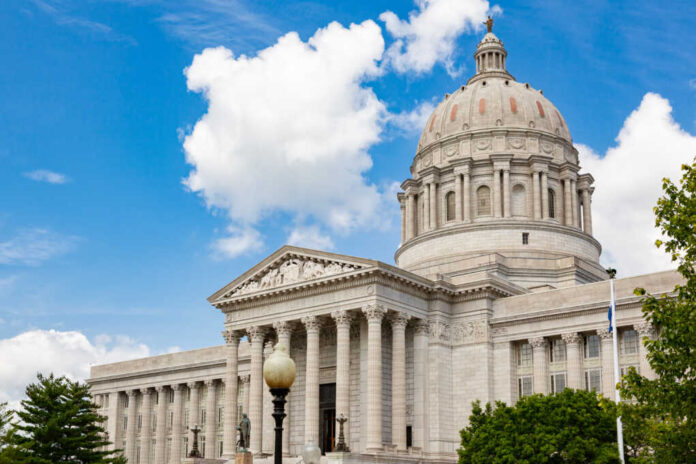
Missouri Governor Mike Kehoe has signed a law repealing paid sick leave and inflation-tied wage hikes approved by voters, stripping 728,000 workers of protections just months after they took effect.
At a Glance
- Missouri Governor Mike Kehoe has repealed Proposition A, a 2024 voter-approved law mandating paid sick leave and indexing minimum wage to inflation.
- The repeal eliminates mandatory sick time accrual and blocks scheduled cost-of-living adjustments to the state’s minimum wage.
- The new law, effective August 28, 2025, was part of a broader legislative package that included tax cuts and business exemptions.
- Worker advocates are pushing for a constitutional amendment in 2026 to permanently protect labor rights from legislative override.
- From Mandate to Meltdown: Rights Reversed by Decree
In a move that stunned labor advocates and defied public mandate, Missouri Governor Mike Kehoe has signed House Bill 567, repealing the state’s voter-approved paid sick leave law. Passed as Proposition A in November 2024 with nearly 58% support, the measure had already begun accruing benefits for more than 728,000 workers. Now, those rights vanish by the end of summer.
Watch a report: Missouri governor repeals paid sick leave law
The law’s reversal also halts inflation-indexed increases to Missouri’s minimum wage. Though the rate will still rise to $15 on January 1, 2026, any automatic cost-of-living adjustments beyond that have been nullified. Kehoe signed the repeal as part of a broader economic package, one praised by the Missouri Chamber of Commerce and conservative lawmakers—but denounced by labor groups as a cynical power grab against working families.
The sick leave mandate, which guaranteed one hour of paid leave per 30 hours worked, was set to be fully implemented in early 2026. Instead, business interests won the day, calling the mandates “job killers” and pushing for a rollback before the law could take root.
Democracy on Ice: When Lawmakers Override the People
This isn’t just a battle over wages and sick days—it’s a referendum on direct democracy. The repeal of Proposition A has sparked outrage among advocates who see it as a slap in the face to the electoral process. Missouri Jobs With Justice and allied organizations are now campaigning for a constitutional amendment in November 2026 to enshrine paid sick leave and inflation indexing beyond legislative repeal.
The short-term fallout is immediate: workers who had already begun accruing leave under the May 1 rollout are now in limbo. Small businesses, many of whom had updated HR policies to comply with the law, are scrambling to reverse course. And the broader signal—one of disregard for popular will—has left Missourians wondering if their votes still matter.
Legal experts warn that this kind of repeal could have a chilling effect on future ballot initiatives, especially those that seek to expand worker protections or environmental regulations. Without constitutional safeguards, even the most decisive public mandates may be temporary at best.
Working Families Lose—While Big Business Wins
At its core, the repeal of Proposition A is a transfer of power from workers to corporate lobbies. While the repeal package included cuts to capital gains taxes and sales tax exemptions for hygiene products, critics argue these perks pale in comparison to the rights stripped from everyday Missourians. With no paid leave and flatlined wages, families may now be forced to choose between showing up sick or missing rent.
The economic implications are stark. Missouri’s labor force, already strained by inflation and stagnant growth, now faces increased turnover, reduced productivity, and greater health risks. Labor economists say paid sick leave not only improves public health outcomes but lowers employer costs over time. Missouri has chosen to ignore that data—and its voters.
For workers, the repeal is more than a policy shift—it’s a betrayal. And unless November 2026 delivers a constitutional correction, the rollback of rights may become the new normal.