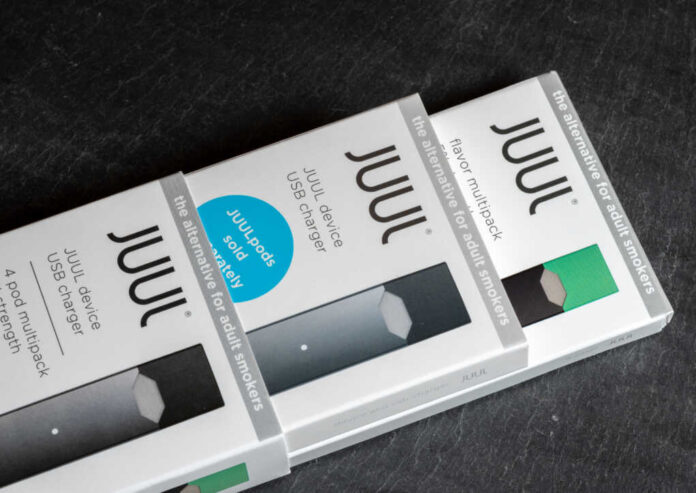
The FDA has reversed its previous ban on Juul products, a decision that could reignite the debate over vaping regulations in the U.S.
At a Glance
- The FDA has approved Juul’s original vaporizer and refill cartridges in tobacco and menthol flavors as of July 2025.
- This decision marks a significant regulatory shift after Juul’s products were banned in 2022.
- Juul faced scrutiny for targeting youth with its marketing practices in the past.
- Flavored products other than tobacco and menthol remain banned due to youth appeal concerns.
Juul’s Tumultuous Journey
Juul Labs, founded in 2015, rapidly became a dominant player in the e-cigarette market with its sleek design and flavored nicotine pods. However, the company soon found itself in hot water for allegedly targeting youth through its marketing strategies. By 2018, regulatory bodies like the FDA began to clamp down, culminating in a 2022 ban on Juul products due to concerns over insufficient safety data and the rising epidemic of youth vaping.
Watch a report: The FDA has approved Juul’s original vaporizer
The FDA’s recent decision to green-light Juul’s original vaporizer and tobacco/menthol cartridges suggests a potential pivot towards adult harm reduction, albeit with a cautious eye on youth protection. The regulatory shift seems to acknowledge the potential benefits for adult smokers while keeping a tight leash on flavors appealing to younger audiences.
Regulatory and Legal Battles
Juul’s path to this approval was fraught with legal battles and regulatory hurdles. After the 2022 ban, Juul filed a lawsuit against the FDA, citing a lack of transparency in the agency’s decision-making process. By March 2025, the FDA had placed a hold on the ban pending further investigation, setting the stage for the recent approval of Juul’s tobacco and menthol products.
While this decision is a win for Juul, it raises questions about the FDA’s regulatory consistency. Critics argue that this could open the floodgates for other e-cigarette companies seeking similar approvals, potentially reshaping the vaping industry’s landscape.
Impact on Stakeholders
Juul’s market re-entry is poised to boost its sales and valuation, offering a lifeline after years of uncertainty. On the flip side, competitors might challenge the FDA’s decision, leading to an increasingly competitive and contentious market.
Public health advocates remain skeptical, worried about potential backslides in youth vaping rates despite the flavored product restrictions. Meanwhile, adult smokers seeking alternatives to traditional cigarettes may benefit from the increased availability of Juul’s products.
Implications for the Future
The FDA’s decision could set a precedent, prompting other e-cigarette manufacturers to seek market authorization. This could lead to a more regulated, albeit stable, market environment. However, ongoing litigation and pressure from public health organizations could continue to influence marketing practices and product availability.
The political ramifications of this decision will likely unfold in the coming months. The FDA might face backlash or support depending on public health outcomes and youth vaping trends. The agency’s evolving approach to e-cigarette regulation could either encourage innovation in harm reduction or spark further debate over the balance between adult access and youth protection.