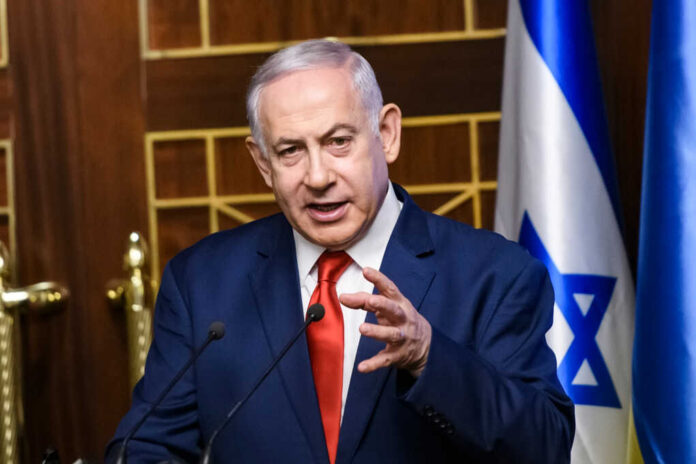
Israel’s military censor has forcibly removed a report by Haaretz detailing Avner Netanyahu’s real estate purchase in the UK, raising fears that censorship powers are being used to protect political elites, not state security.
At a Glance
- The military censor blocked publication of a story involving Avner Netanyahu’s UK property deal.
- The property was reportedly purchased under an alias in early 2022.
- Haaretz condemned the censorship as unjustified and politically motivated.
- Critics say the move continues a trend of shrinking press freedoms in Israel.
- The censor’s office cleared over 2,500 articles in 2024, many under opaque “security” claims.
Censorship Creep: Real Estate as State Secret?
The Haaretz investigation focused on Prime Minister Benjamin Netanyahu’s son, Avner, and his acquisition of a residential apartment in the United Kingdom. According to sources familiar with the report, the apartment was purchased discreetly using an alternate identity—details that the censor deemed too sensitive for public disclosure.
Haaretz has not released the full story but confirmed that its removal was compelled by military decree. This move follows an escalating pattern in which stories involving government figures are censored under vague security justifications.
Security Excuse or Political Shield?
Israel’s military censor, empowered under emergency regulations dating back to the British Mandate, reviews thousands of media reports annually. While originally designed to prevent sensitive security leaks, critics argue it now operates as a political shield, increasingly invoked to deflect scrutiny from those in power.
This latest intervention has triggered backlash from press freedom advocates, who say the censorship of a real estate report represents a dangerous encroachment into civic journalism. “This isn’t about state secrets—it’s about silencing coverage of the Netanyahu family,” one unnamed Israeli editor told local media outlets.
A Critical Moment for Israeli Media
With tensions already high between Prime Minister Netanyahu’s government and independent outlets like Haaretz, the censor’s decision may be a defining test for press autonomy in Israel.
The incident echoes recent confrontations, including Netanyahu’s personal boycott of Haaretz and broader accusations that the paper undermines national unity, and other scandals involving his son. But as global watchdogs track the erosion of Israeli press freedoms, this case may prove pivotal in determining whether journalism in Israel remains free—or falls further under official control.
Watch a report: Netanyahu Faces Backlash Over Son’s Wedding Comments Amid Iran Conflict