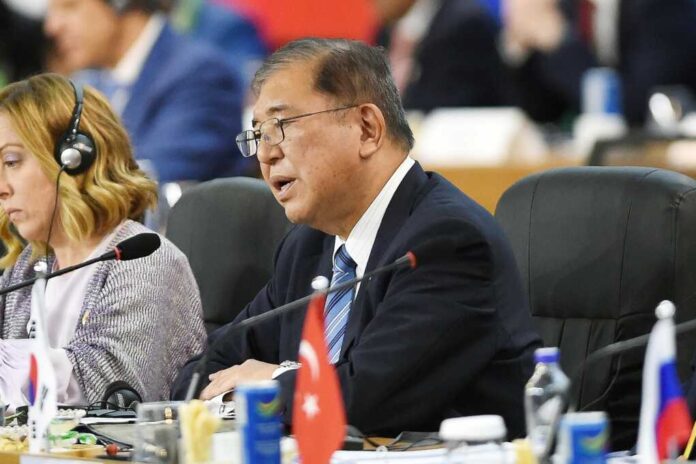
Japan’s Prime Minister Shigeru Ishiba resigned Sunday after his party’s electoral collapse, triggering a leadership race that could reshape Japanese politics.
At a Glance
- Ishiba quit as Prime Minister and ruling LDP chief on September 7, 2025.
- His resignation follows the party losing both houses of parliament.
- Internal pressure mounted after back-to-back election defeats.
- A leadership vote will decide the new LDP head and Prime Minister.
Collapse at the Top
Shigeru Ishiba lasted less than a year in office before bowing out. His resignation closes a short and turbulent tenure marked by poor electoral results.
The ruling Liberal Democratic Party lost its majority in the lower house in late 2024, then surrendered the upper house in July 2025. Ishiba could not hold the party together.
Watch now: Japan PM Shigeru Ishiba has resigned, ending months of turmoil in the ruling LDP after losing majority in both houses
The dual defeats stripped the party of its grip on national politics. Party insiders pressed Ishiba to quit before deeper splits emerged.
Inside the Party Struggle
Pressure grew after LDP elders and faction chiefs warned of revolt. The defeats fueled doubts about Ishiba’s leadership and his ability to win future contests.
Members feared defections to opposition blocs, which could weaken the LDP beyond repair. Ishiba’s exit aims to stop the bleeding and calm tensions.
The resignation also reflects Japan’s shifting political landscape. Voter frustration with entrenched elites has grown, while opposition parties sense an opening.
Scramble for Successor
A leadership election will now decide both the LDP chief and the next Prime Minister. Party bosses want a quick vote to restore stability.
Top contenders include Sanae Takaichi, Shinjiro Koizumi, and Yoshimasa Hayashi. Each presents a different vision for Japan’s path forward.
The winner must not only lead a fractured party but also restore public trust after years of political turbulence. Challenges will be immediate and unforgiving.
Future on the Line
The next leader faces a brutal balancing act. They must keep the LDP intact, manage fragile parliamentary numbers, and tackle a restless electorate.
Regional stakes also loom large. Japan’s role in Asian security, trade, and its alliance with the United States could shift under new leadership.
Ishiba leaves a cautionary tale. His short rule shows how fast public mood can turn, and how fragile Japan’s once-unshakable ruling bloc has become.
Sources