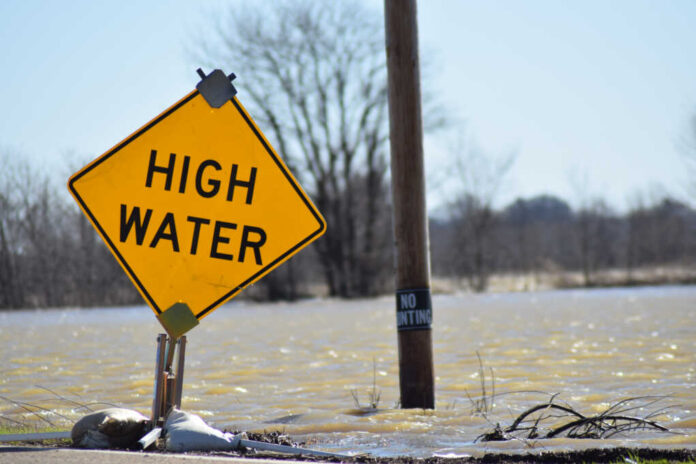
Texas communities are underwater after catastrophic flash flooding surged through Central and South Texas, killing at least six and displacing thousands—just as the state unveils its first-ever $49 billion flood plan.
At a Glance
- Central Texas was hit with up to 10 inches of rain over the weekend.
- The Guadalupe River surged more than 22 feet, submerging neighborhoods.
- At least six people died, and a family remains missing.
- Urban flooding is increasing across Texas due to climate change.
- Texas has announced a $49 billion statewide flood mitigation plan.
A Surge They Couldn’t Stop
Over the weekend, torrential rains dumped between 4 and 10 inches across Kerr and Tom Green counties, driving the Guadalupe River over 22 feet and inundating homes and roads. In San Antonio, 6.3 inches of rain fell in a single day—ranking it among the city’s ten wettest days on record. The floods left at least six dead, and one family remains unaccounted for.
Watch a report: Heavy rain prompts Flash Flood Emergency in Kerrville, Texas.
Emergency services fielded hundreds of calls, and rescues continued late into the night as neighborhoods across Central Texas were submerged. With rain systems persisting into July, the danger remains high for flash floods in the region, especially throughout South Texas.
Houston, Dallas Now “Sitting Ducks”
Meteorologists and climate experts warn the root cause is far from temporary. Warming temperatures have supercharged storms, enabling the atmosphere to retain more moisture and dump it faster—creating shorter, more intense deluges that can overwhelm cities in hours.
Eastern Texas has seen a 15% increase in rainfall over the past century. Without adequate drainage or green infrastructure, urban sprawls like Houston and Dallas face disproportionate risks. Houston alone could see a 50% spike in urban flooding by 2036 compared to early 2000s baselines.
Experts are blunt: dense concrete landscapes make major Texas metros “sitting ducks” for climate disaster. Meanwhile, heat domes expected to dominate July may suppress storms in some areas—but also intensify them in others when the high-pressure system breaks.
The $49 Billion Gamble
In a bid to stem future devastation, Texas unveiled its first-ever statewide flood plan, identifying more than 5 million residents living or working in flood-prone zones. The plan outlines $49 billion in long-term infrastructure and early-warning investments.
Still, implementation remains uncertain. With weather volatility rising and summer flood seasons intensifying, the urgency is clear—but critics question whether the timeline for such massive overhauls can meet the pace of the threat.
As rivers recede and the cleanup begins, one reality becomes painfully clear: in Texas, climate disaster isn’t looming—it’s already here.