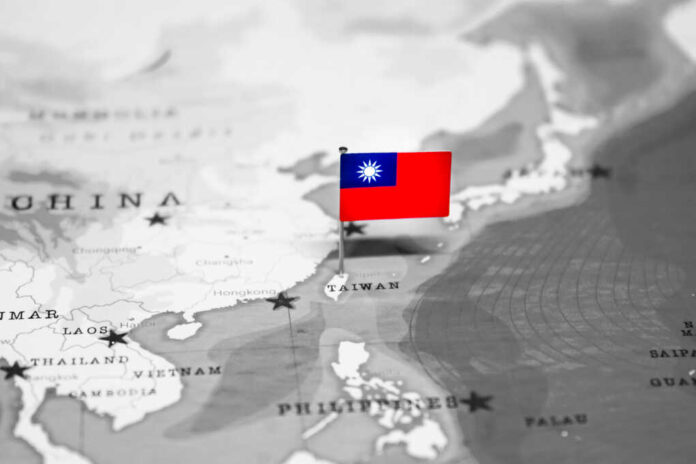
Taiwan has launched its largest-ever Han Kuang military drill to simulate a multi-front defense against an imminent Chinese invasion, testing both combat readiness and civil resilience.
At a Glance
- Taiwan commenced the 10-day Han Kuang exercises on July 9, 2025—the longest and largest in history.
- The drills involve 22,000 reservists and new weapons like HIMARS and Sky Sword missiles.
- Simulations include cyber-warfare and misinformation to mirror “gray-zone” threats.
- Taiwan detected 31 Chinese aircraft and 7 warships near its coast during the exercise.
- Civil defense drills include emergency supply points and converting schools into military facilities.
What Are These Drills?
The Han Kuang exercises began July 9, 2025, with Taiwan’s military testing how it would maintain operations under the chaos of cyberattacks, command center bombings, and communications breakdowns. The drills have grown in scope and now span 10 days—marking the longest and most comprehensive war games in Taiwan’s history.
This year’s iteration features the debut use of U.S.-supplied HIMARS rocket systems and Taiwan’s indigenous Sky Sword surface-to-air missiles. Approximately 22,000 reservists have been mobilized, with some quartered in school buildings repurposed for combat staging.
Watch a report: Taiwan Begins Military Drills Amid Threat of Potential Chinese Invasion
Why It Matters
Taiwanese officials say the drills are intended to mimic the kind of hybrid warfare China might deploy—combining cyberattacks, misinformation, economic pressure, and direct military intimidation. Taiwan’s Ministry of National Defense confirmed that 31 Chinese aircraft and seven warships operated near its air and sea boundaries during the initial days of the exercises.
In a coordinated response, China also imposed export bans on eight Taiwanese companies tied to military supply chains. These include aerospace giants AIDC and drone maker Jingwei Aerospace, underscoring Beijing’s intent to match hard power with economic retaliation.
What Comes Next
The drills will continue through July 18, and international observers are closely watching Taiwan’s ability to execute both defense coordination and civil mobilization. Emergency supplies have been stockpiled at temporary shelters, schools are being converted into command posts, and civilians are participating in blackout and air-raid simulations.
Taiwanese leaders hope to signal deterrence by demonstrating readiness, while Beijing has dismissed the exercise as a provocation. The ongoing standoff is widely seen as a test case for future gray-zone conflict escalation—and a warning to democratic allies watching the balance of power in the Pacific.