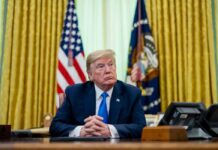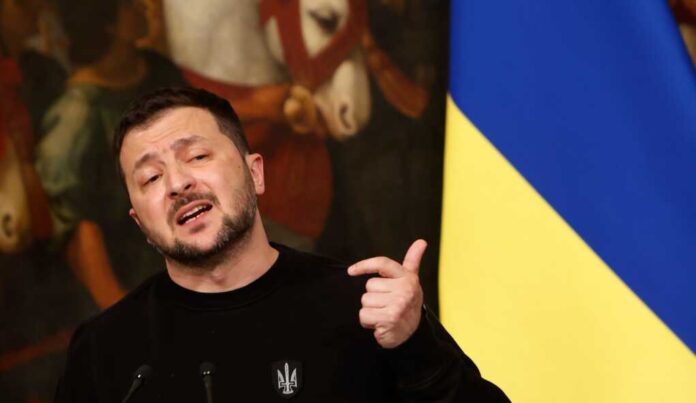
Trump stunned global leaders by asking Ukraine’s president whether U.S. weapons could be used to strike Moscow and St. Petersburg, igniting fears of direct confrontation with Russia.
At a Glance
- Trump questioned Zelensky about hitting Moscow and St. Petersburg with U.S. weapons.
- The July 4, 2025, call followed Trump’s frustrated conversation with Putin.
- Trump announced a NATO-Ukraine arms deal and gave Putin a 50-day peace ultimatum.
- The White House denied that Trump encouraged escalation, though multiple sources confirm the call’s substance.
Trump’s Explosive Ask: Weapons for the Kremlin’s Doorstep
On America’s Independence Day, July 4th, 2025, President Donald Trump reportedly asked Ukrainian President Volodymyr Zelensky a question that sent shockwaves through diplomatic circles: could Ukraine strike Moscow and St. Petersburg if the U.S. provided the right weapons? Multiple sources familiar with the private call confirmed that Trump, exasperated after a fruitless discussion with Russian President Vladimir Putin, floated the idea of direct hits deep inside Russian territory to force peace negotiations.
Watch a report: Trump’s Dangerous Question to Ukraine.
Zelensky, always keen to press for more support, is said to have responded enthusiastically—provided Washington unshackles Ukraine’s military with long-range weapons. The Trump administration’s denial that it was encouraging “further killing” hasn’t quelled the storm. Observers point out that the U.S. stance on Ukrainian warfare has entered uncharted, perilous ground compared to the Biden administration’s stringent limitations on target engagement. The Kyiv Independent noted that this marks a stark departure from prior policy restraints.
Tariffs, Deadlines, and the NATO Arsenal Surge
Alongside his eyebrow-raising proposal, Trump announced a sweeping new NATO-backed arms package for Ukraine, featuring systems like Patriot missiles and other advanced weaponry with the potential reach to strike within Russia. This move follows his bold ultimatum to Putin: reach a peace agreement within 50 days or watch the U.S. impose 100% secondary tariffs on any nation continuing commerce with Russia. The Firstpost reported that this hardline tactic is meant to financially isolate Moscow while escalating military pressure.
Ukraine’s recent “Operation Spiderweb,” which resulted in the destruction of a dozen Russian bombers stationed inside Russia, signals that Kyiv is both willing and capable of executing precision strikes—provided they have the tools. Under Biden, fears of escalation effectively neutered Ukraine’s reach, whereas Trump appears prepared to rewrite those constraints. Analysts from A2News suggest that the policy pivot could revitalize U.S. defense manufacturing while threatening global economic stability through energy market disruptions.
The Escalation Gamble: Power Play or Provocation?
Trump’s new approach, blending military empowerment with economic warfare, is designed to reassert U.S. strength on the world stage. Yet the perils are immediate and tangible. Military experts caution that enabling Ukrainian strikes on Russian cities could spark uncontrollable retaliation, potentially dragging NATO into open warfare. This is the tightrope Washington now walks—between deterrence and provocation.
European allies, traditionally more cautious, are reportedly anxious but recognize that the era of cautious diplomacy may be closing. Whether this gamble secures peace or accelerates disaster remains to be seen. But for now, Trump’s posture is clear: force Putin’s hand or unleash America’s full economic and military might, reshaping the balance of power in Eastern Europe.